

Want the chance to catch one of the best pelagic gamefish in the world, the dolphin, a.k.a. dorado, a.k.a. mahi-mahi?
Now is your chance, with reports coming in from the western edge of the Gulfstream of epic catches of big dolphin. These are no schoolies. One angler who was fishing a weedline a couple miles past the South Ledge reported filling the boat's fishbox in minutes with 10-25 pounders. Rising water temperatures mean that big bulls aren't too far behind. Ledges like the Deli, the Triple Ledges, South Ledge, the Hump, all are holding scores of dolphin at this time.
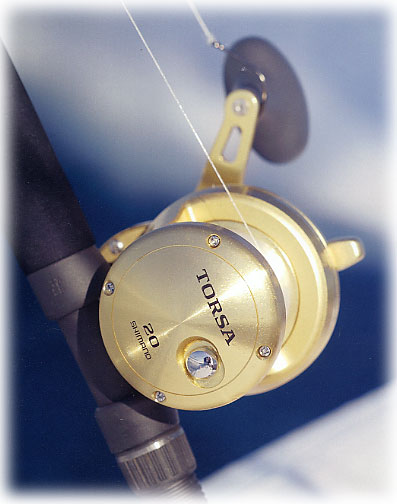
To gear up for dolphin, first you'll need a boat that can make the often-choppy 50-80 mile trek from the Low Country coast to the Gulfstream. In July through September the water warms enough that the dolphin move in closer, usually into around 100-150 feet of water, but until then they stay within the Gulfstream. 25-50 pound conventional or 20-40 pound spinning tackle is necessary, as even a small dolphin can put up a titanic fight. Good conventional reels include the Shimano TLD series for standard trolling, but if you want to go high-end, try either the Shimano Trinidad or Torsa reels, both of which are great for chunking and casting to dolphin, and feature heavy drags for their small physical size. If you like spinning tackle, which helps if you're doing casting in the wind, the Shimano Baitrunner or Quantum Cabo reels spooled with 50-65lb braided line are good choices. As for rods, you'll want a medium-heavy to heavy power rod with a fast action, meaning the tip has a good flex but the blank is stiff near the handle.
Trolling is the main way to target dolphin. The standard trolling speed is around 7 knots, usually in a waving, or zig-zag pattern. If you can locate a weedline, eddy, or a change of water color, use this trolling pattern parallel to these points of interest, which usually hold dolphin cruising beneath the surface. If these points of concentration can't be located, try locating a ledge or livebottom, and run the zig-zag pattern down its length.
Live or frozen baits are best trolled on a wire leader complemented with a flashy, colorful artifical lure. Rattle-Jets, Islanders, and squid skirts are all good additions to a rigged bait, usually either a ballyhoo or cigar minnow. The best colors are usually chartreuse or pink, but sometimes they will key in on another certain color for some reason. Teasers or teaser dredges are good too use as well, though they seem to attract more of the small "schoolie" dolphin then the big bulls.
When you get a hookup with a dolphin, its always wise to take your time with the fish, and even leave it in the water with the drag fairly loose for awhile. The reasoning behind this is that other dolphin will try to school up with the fish you're hooked into, increasing the chance of getting more hits on other baits.

Remember when boating your dolphin, though, that these delicious fish have lots of meat on them, and unless you plan on selling your fish at market, just one or two fish will easily feed a whole family with leftovers to freeze, so take only what need.


